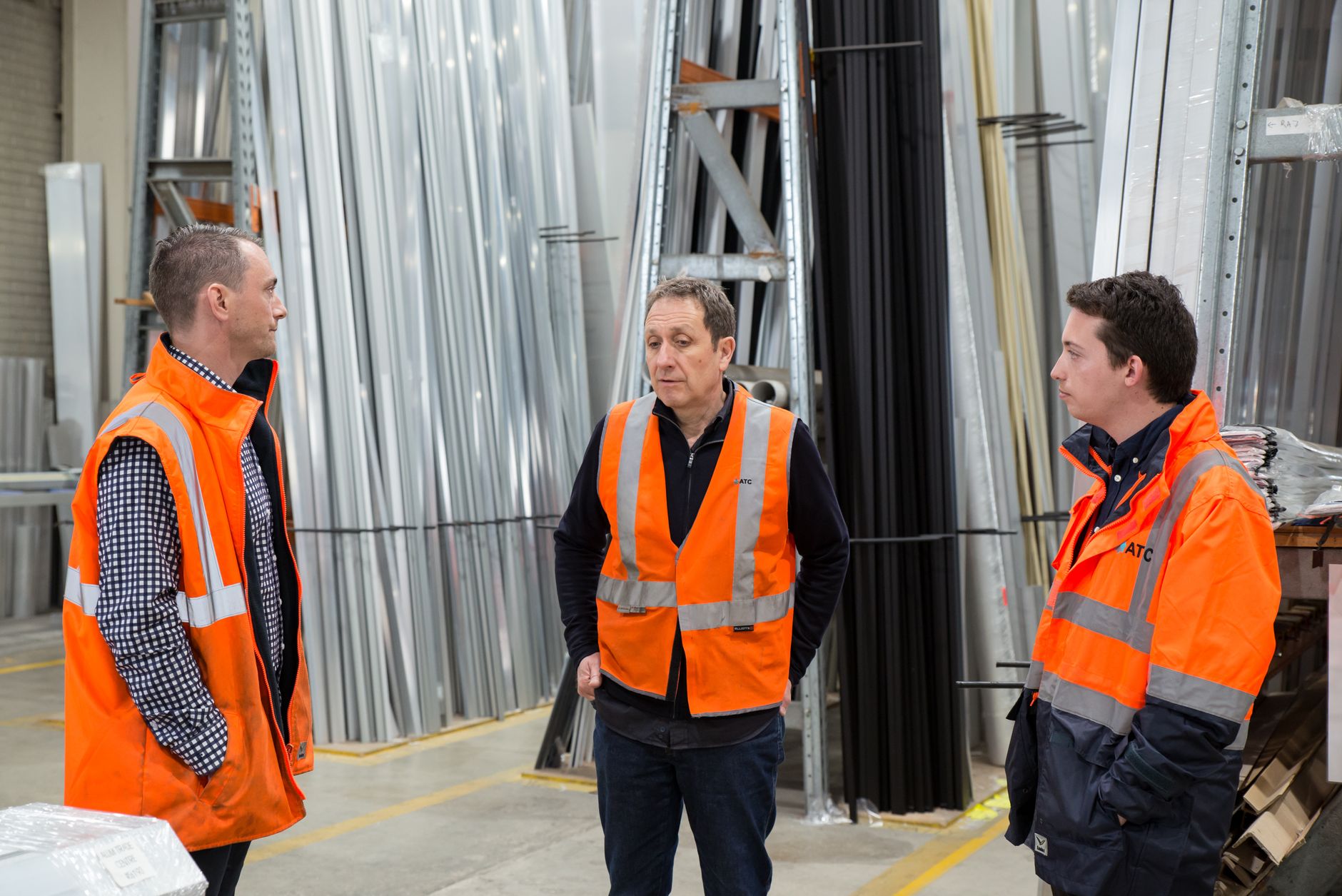
an electronics contract manufacturer packaging automotive circuit boards in three-shift production
Packaging Cobot Case Study: 25% Productivity Gain in Electronics
A documented packaging cobot deployment lifted productivity 25% while packing 2 million automotive circuit boards a year in three-shift production.
- 25%
- productivity increase
- 2 million
- boards packed yearly
- 3-shift
- stable operation
- 5 to 6 sec
- pack time per module
Based on a documented real-world deployment. Figures are from public reporting; the organization is not named.
The Packaging Cell Bottleneck
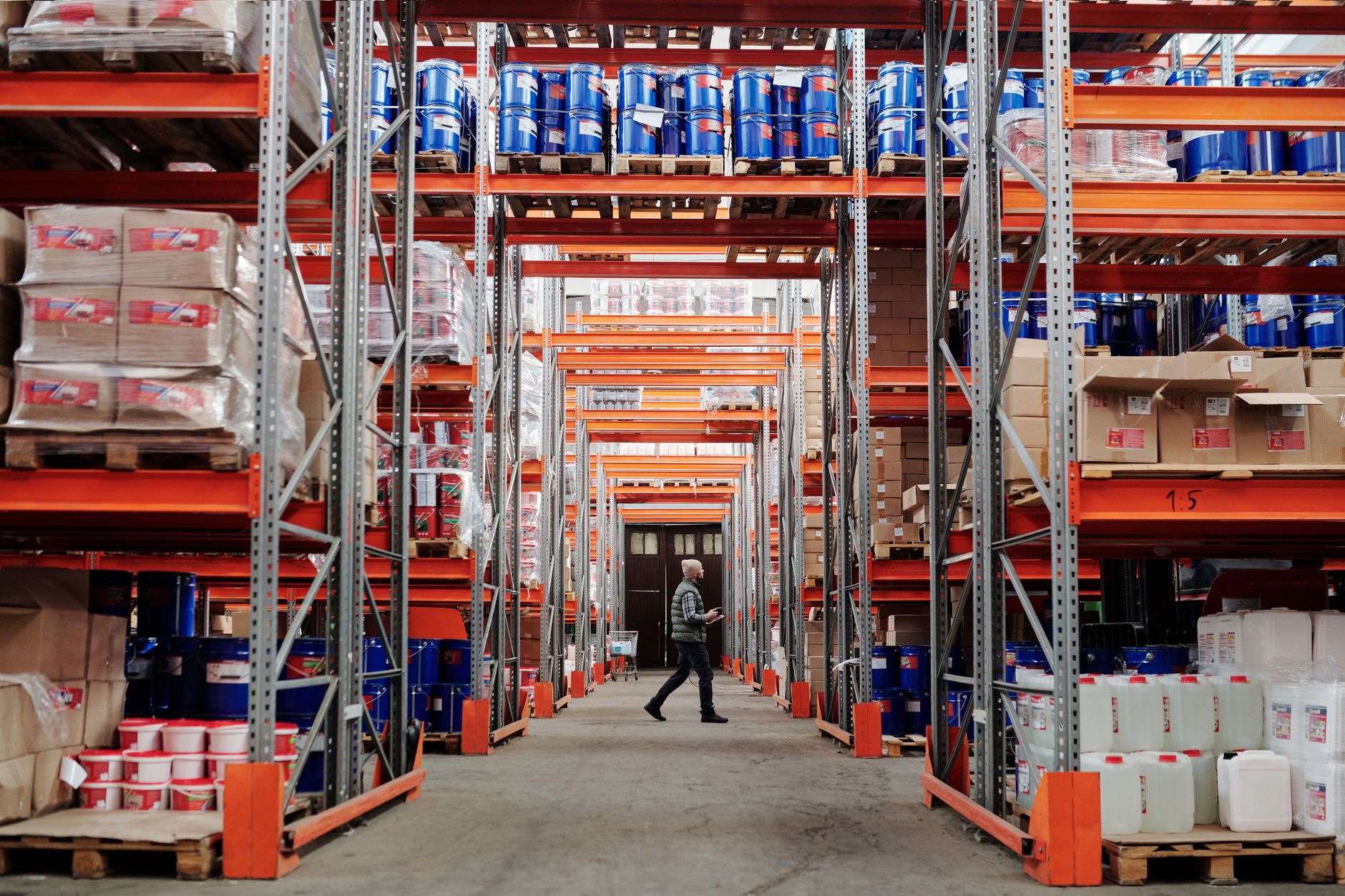
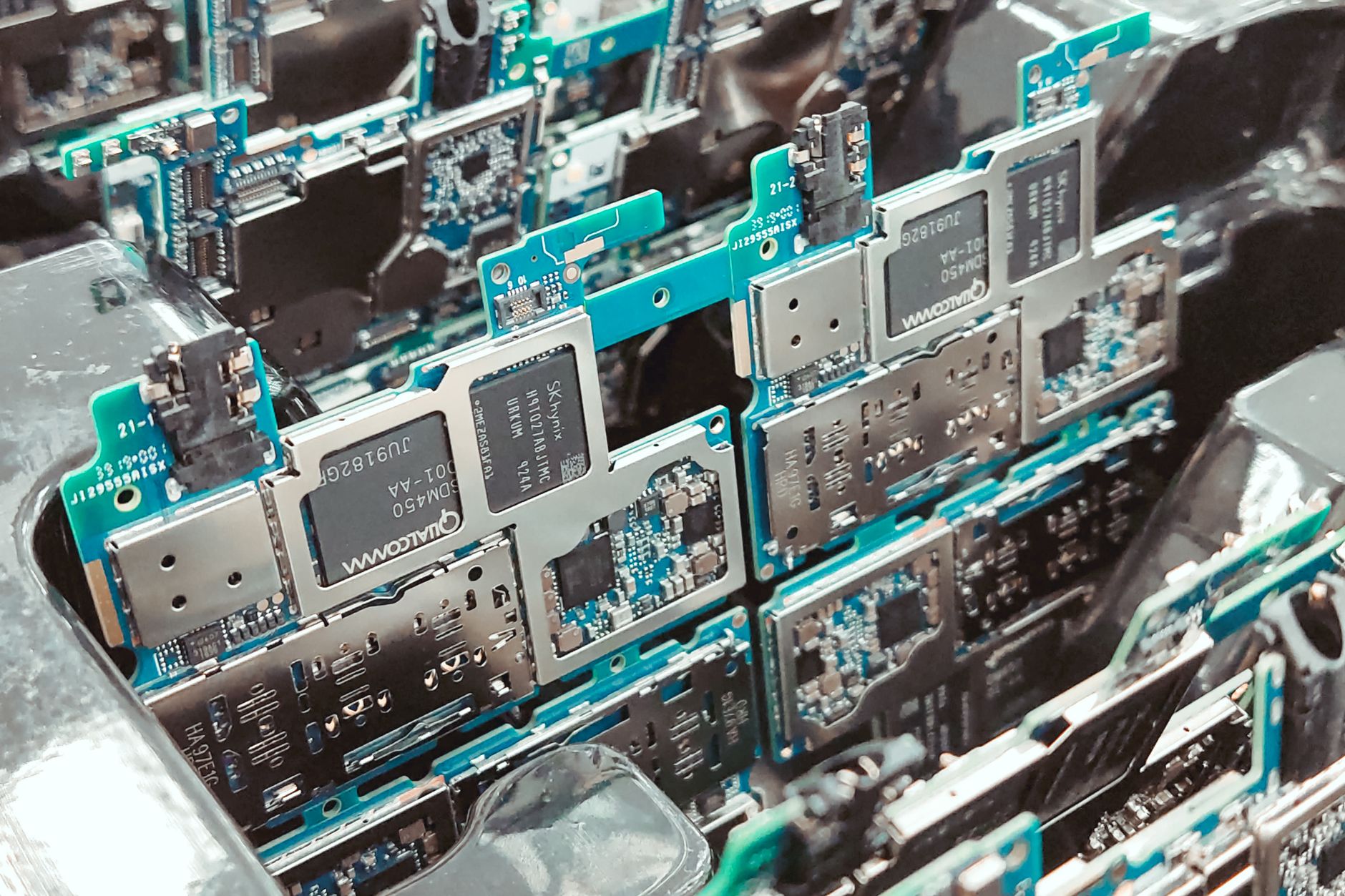
This operation was not chasing a flashy plantwide rebuild. It needed relief at a narrow but punishing end of line task: packing small, round automotive circuit boards that had been handled manually in three-shift production. The work was repetitive, precise, and constant.
The constraint was speed. The published case notes a packaging time of five to six seconds per module, which left little room for hesitation, handling errors, or awkward robot motion. Any automation had to keep pace without turning a simple packing step into a fragile engineering project.
- Manual packaging of automotive circuit boards in three-shift production
- Very short cycle time requirement of five to six seconds per module
- Need for a lower-cost and faster path than conventional automation
- Repetitive handling work that was a poor use of operator attention
A Focused Cobot Rollout
The published deployment started with process selection. The team chose packaging as the pilot task because it was repetitive, bounded, and easy to measure. That matters in electronics manufacturing, where a small end of line win can be validated quickly without disturbing upstream production.
The cell was built around a collaborative robot with a custom gripper arrangement that combined laser scanning, flow grippers, and a vacuum gripper. In operation, the robot scanned three boards, placed those three boards into a tray at the same time, then packed full trays into a box and closed the lid when the box was filled.
- Pilot the cobot on a single packaging task rather than overhauling the full line
- Use a custom end effector to handle scanning, picking, tray loading, boxing, and lid closing
- Pick and place three circuit boards simultaneously to meet the cycle target
- Keep people in the process upstream, with operators placing depanelized board groups into the work area
Measured Output From A Narrow Automation Scope
The reported outcome was a 25 percent productivity increase in the application cell. That is the headline result, and it came from a tightly defined packaging job rather than a vague factorywide estimate. For buyers evaluating cobot rental, collaborative robot arm rental, or cobot rental for manufacturing, that kind of bounded result is far more useful than broad promises.
Scale is what makes the case compelling. The robot packs around 2 million components a year, works stably in three-shift operation, and loads trays that hold 54 circuit boards while handling three boards simultaneously. The source also reports an expected payback within 18 months, which reinforces that end of line automation can be justified on a focused packaging cell without a shutdown.
What This Means For U.S. Manufacturers
This is the kind of story that clarifies where a vendor neutral robot integrator earns its keep. The win did not come from automating everything. It came from choosing one repetitive transport automation and end of line automation task, matching the robot and tooling to the cycle requirement, then making sure the cell could live inside a real production rhythm.
For U.S. operators evaluating cobot rental for manufacturing, robot leasing for business, lease rental or sale, or phased deployment no shutdown, the lesson is practical. Service Robot Co. is built around that full lifecycle: selecting the right robot across manufacturers, arranging financing, deploying and integrating the cell, training operators, and servicing the unit through one partner for the life of the deployment.