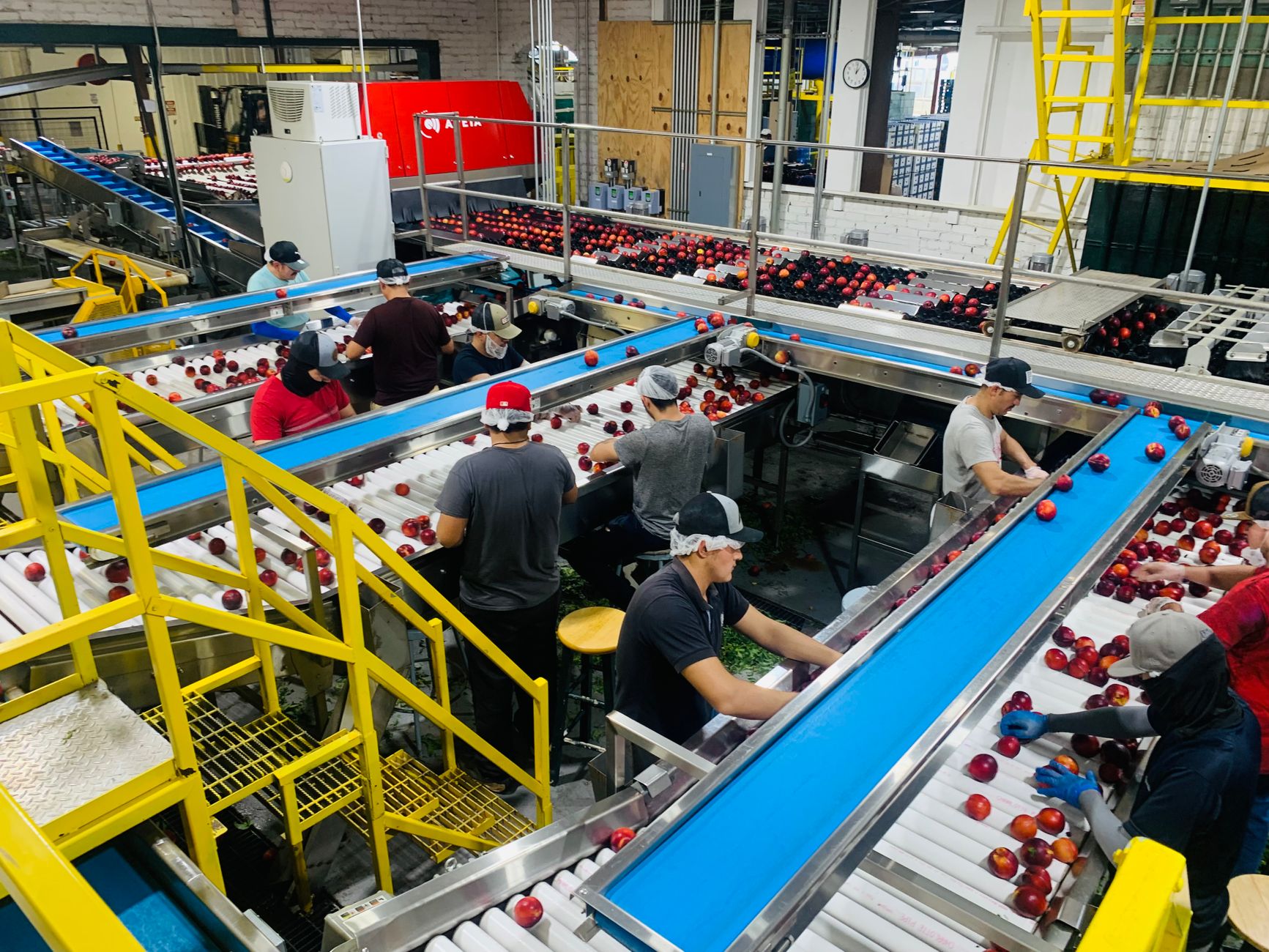
a 300-employee pork processing plant handling about five tons of product a day
Meat Processing Case Study: 19% Higher OEE With Palletizing Cobots
A 300-employee pork processing plant lifted OEE 19% and cut employee lifting 50% after adding palletizing cobots at end of line.
- 19%
- OEE increase
- 50%
- Less employee lifting
- 15 to 9
- Peak substitutes cut
- 2 hours
- Operator training
Based on a documented real-world deployment. Figures are from public reporting; the organization is not named.
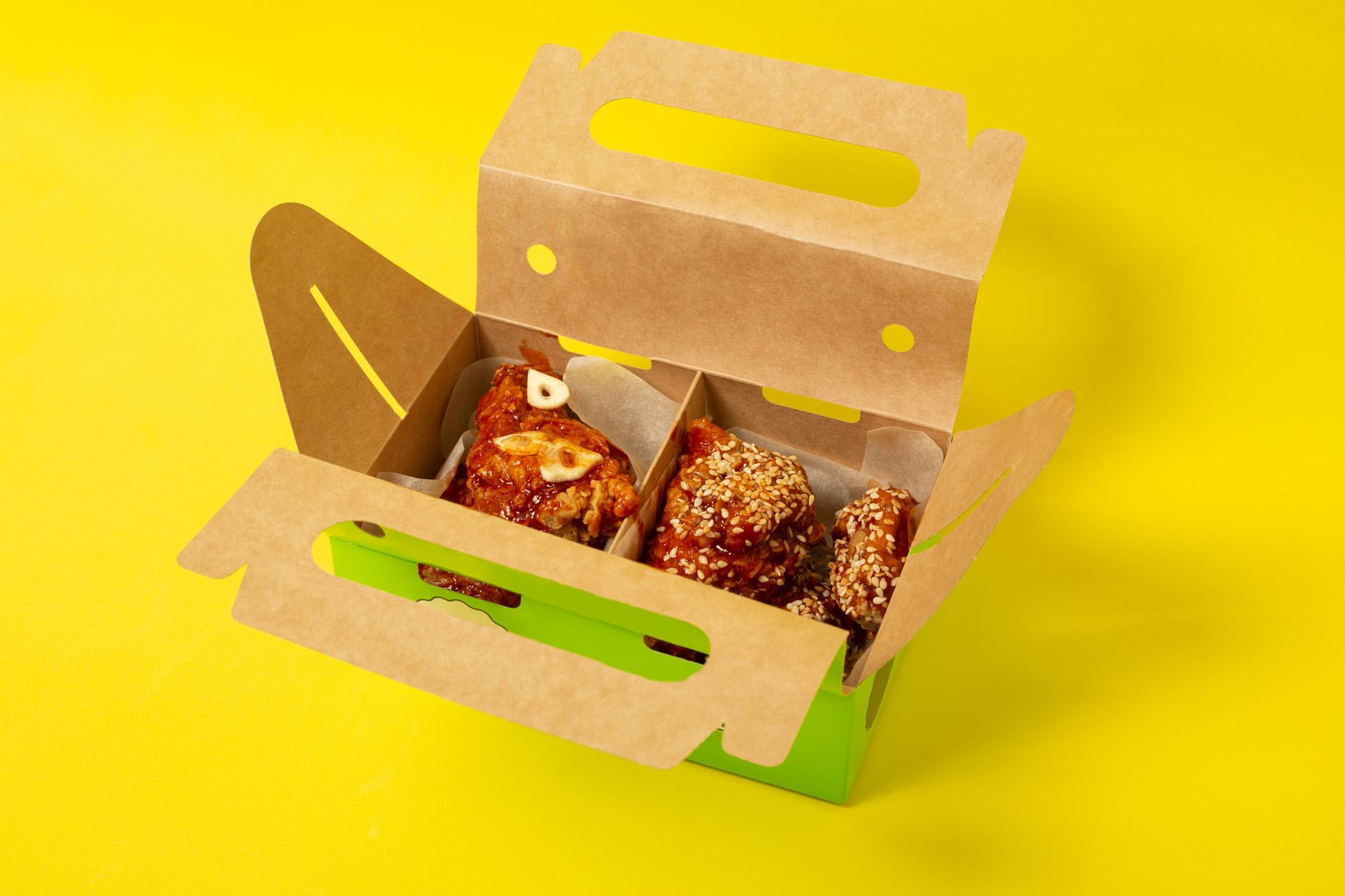
A fast line with too much manual lifting
This plant was moving about five tons of pork product a day across a steady flow of 20 different SKUs. Boxes were consistent in form but not in weight, which kept palletizing work repetitive, physical, and hard to smooth out at the end of line.
Operators were packing product, sending boxes through the taper, then handling those same boxes again for palletizing. That second touch cost time, added strain, and made staffing harder during peak periods, when the plant had been relying on 15 substitute workers for jobs that were already difficult to fill.
- Manual palletizing meant the product was handled twice
- Product changeovers had to keep pace with 20 different products
- Peak periods pushed substitute labor needs up to 15 workers
- Heavy, repeated lifts were built into a necessary end-of-line task
A phased cobot rollout at the conveyor
The plant introduced palletizing cobots in spring 2023, starting with one unit and then adding two more. In the end, three cobots were stationed beside three flow-packer conveyor lines, taking over the final lift from conveyor to pallet while operators stayed focused on packing.
The deployment was built for operator use, not specialist dependence. The interface let staff switch product programs with a button press, and the training requirement was modest. Employees needed a two-hour course covering how to start, stop, and reset the system when the product changed.
- Begin with one cobot, then expand to three lines
- Place each unit at the end of a flow-packer conveyor
- Use program switching for different box contents and weights
- Train operators in a two-hour course on start, stop, and reset
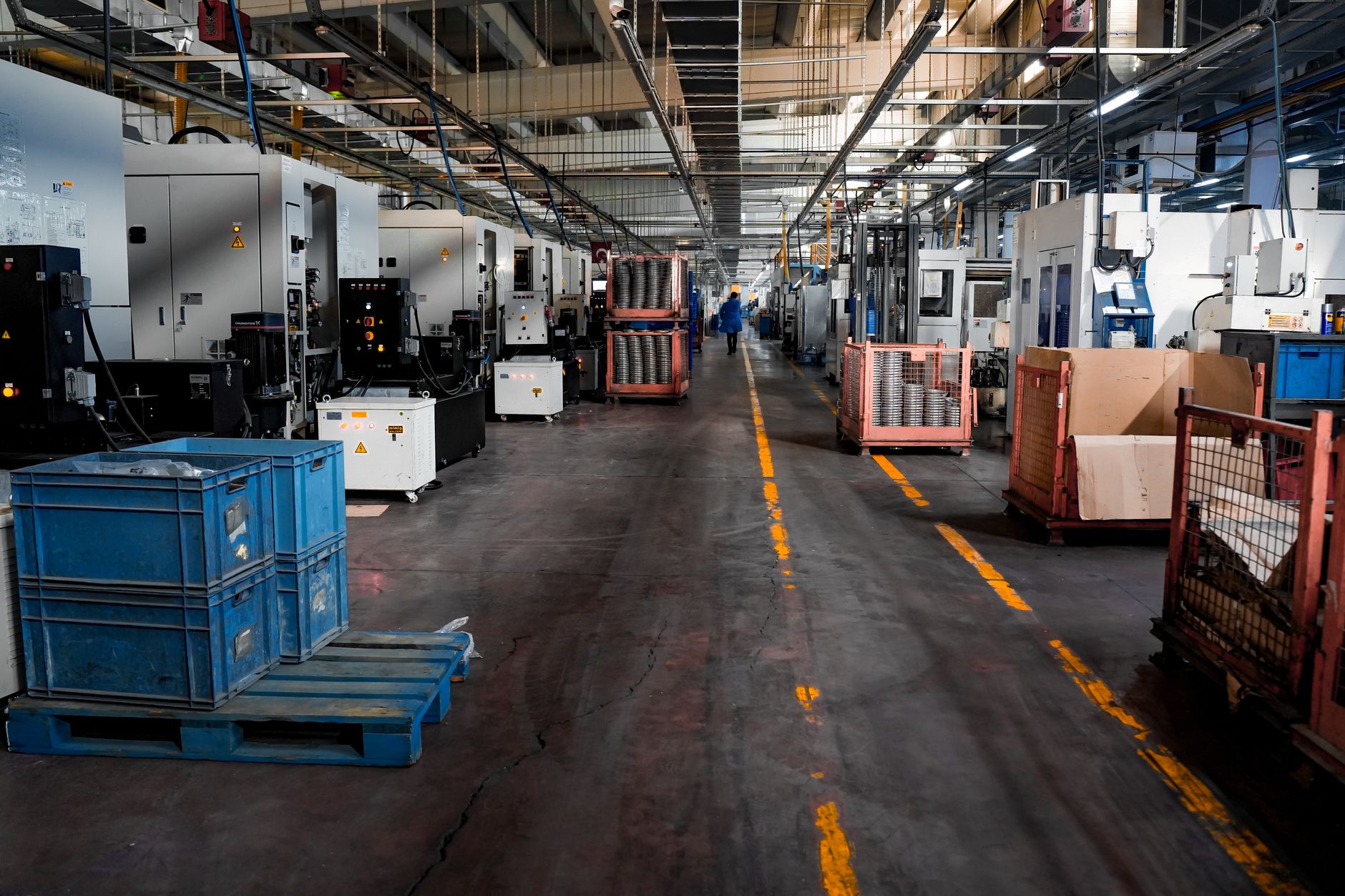
Measured gains in throughput, ergonomics, and staffing
The biggest operational change was simple. Employees now handled the product once instead of twice, because the cobots took over palletizing. That cut employee lifting by 50% and removed a routine source of physical strain from the shift.
Performance improved at the same time. Across the three lines, OEE increased by 19% after the cobots were installed. Peak-period substitute labor fell from 15 workers to 9, which matters in a plant where seasonal demand can rise faster than qualified labor supply.
What this means for manufacturers evaluating end-of-line automation
This is the kind of case that makes palletizing cobot work compelling. The return is not limited to throughput. It reaches labor availability, changeover practicality, and day-to-day ergonomics, all in one deployment story. That mix is unusually strong for a food plant.
For manufacturers in the U.S., Service Robot Co. applies that same discipline as a vendor neutral robot integrator. We help teams choose the right palletizing robot rental path, cobot rental for manufacturing program, or lease rental or sale structure, then finance, deploy, integrate, train, and service the unit through one partner for the whole lifecycle.