a 325,000-square-foot grain foods plant in the Pacific Northwest
Food Manufacturing Case Study: Four Operators Reallocated at End of Line
A Pacific Northwest grain foods plant used a palletizing cobot in a tight end-of-line cell, freeing up four operators across a 24-hour operation.
- 4 operators
- Freed up across shifts
- 1.5 days
- Integration time
- 45-60 min
- Training per team
- 24 hours
- Operation covered
Based on a documented real-world deployment. Figures are from public reporting; the organization is not named.
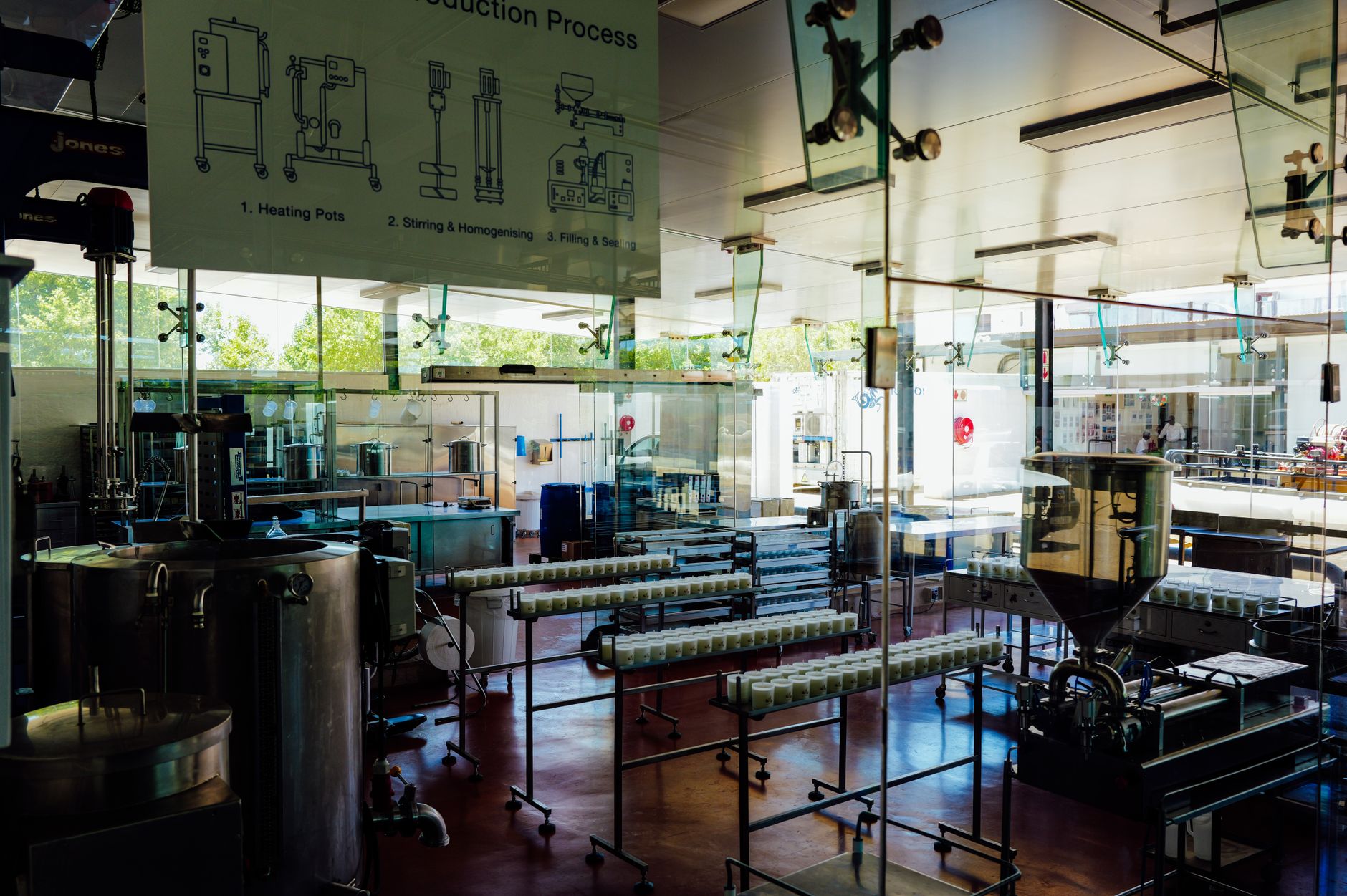
A Tight End of Line With Labor Tied Up
This 325,000-square-foot grain foods plant had already seen where automation fit on larger lines. The harder problem sat on smaller production lines, where palletizing still depended on manual stacking and the available floor space was tighter, busier, and less forgiving.
Traditional palletizing layouts were a poor match for that end-of-line geometry. The plant needed a palletizing cobot that could work closer to people, handle frequent product changeovers, and reach full pallet height without adding extra equipment that would slow the cell down or swell its footprint.
The labor angle mattered just as much. In a 24-hour operation, hand stacking consumed operator time on every shift and kept people on repetitive, unergonomic work that could be reassigned to higher-value tasks inside the plant.
- Smaller palletizing cells were harder to automate than the plant's larger lines
- The cell needed enough reach, payload, and speed in a confined space
- Frequent changeovers made ease of use important, not optional
- Manual pallet stacking absorbed labor across all four shifts
A Cobot Cell Built for Reach and Footprint
The documented deployment centered on a collaborative palletizing cell designed for smaller lines. Its longer reach let the plant cover pallets up to 81 inches tall and reach the back corners without relying on a vertical lift column, which removed a common source of extra motion and floor-space compromise.
The cell was also configured for interaction on an active plant floor. It used guarded sides, an open front, and speed reduction when a worker or forklift entered the work envelope, which let the operation keep the cell accessible without treating the line like a sealed-off island.
Training was handled with operators and maintenance in mind. According to the case study, the maintenance team across all four shifts was trained in roughly 45 to 60 minutes, giving the plant a practical path to high-mix end of line automation instead of a specialized system only a few people could run.
- Select a palletizing cobot that fits tighter end-of-line spaces
- Use reach to cover full pallet dimensions without a lift column
- Set the cell up for safe operator and forklift interaction
- Train all four shifts for routine changes and day-to-day use
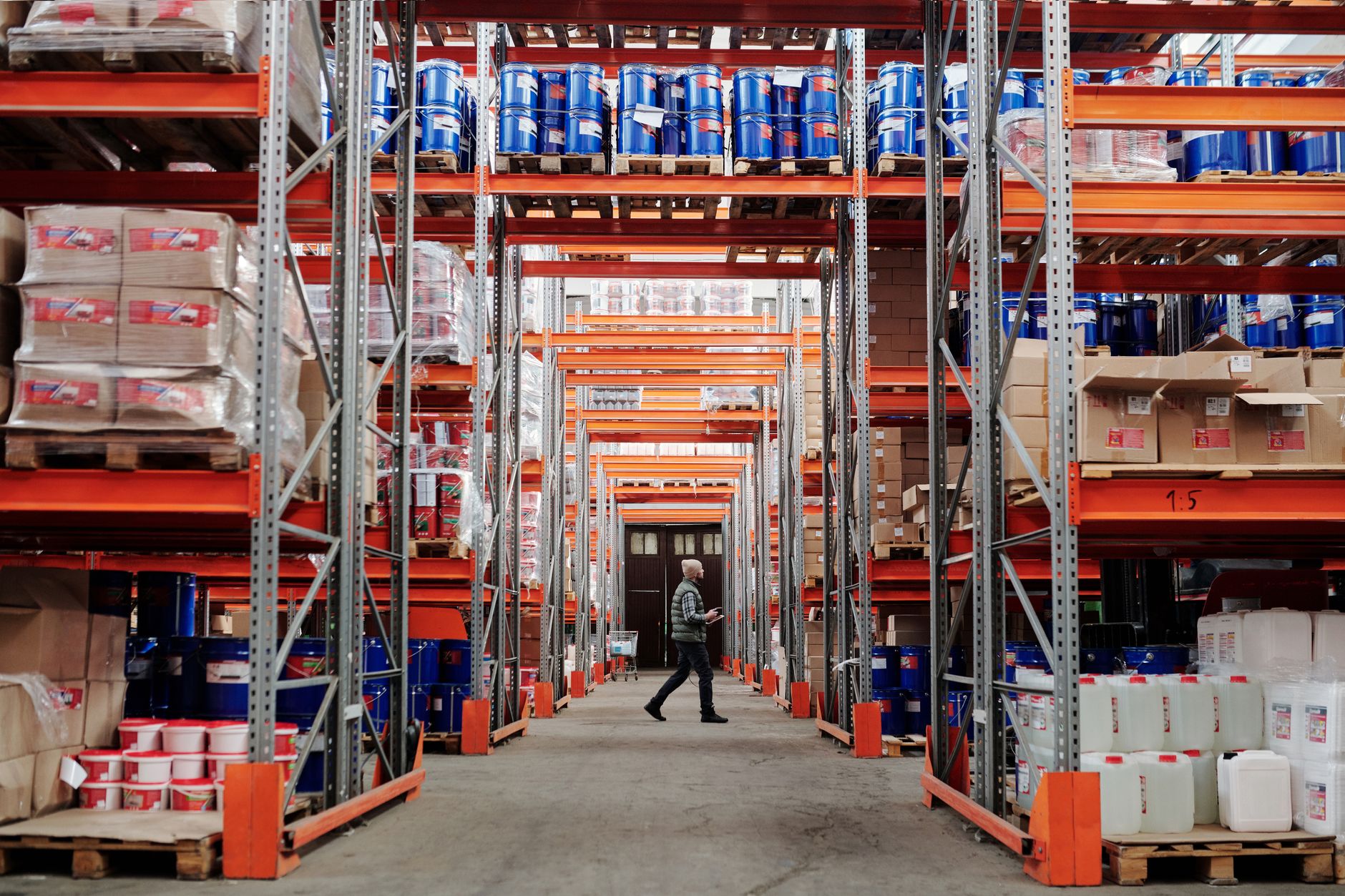
Measured Gains Without Inflated Claims
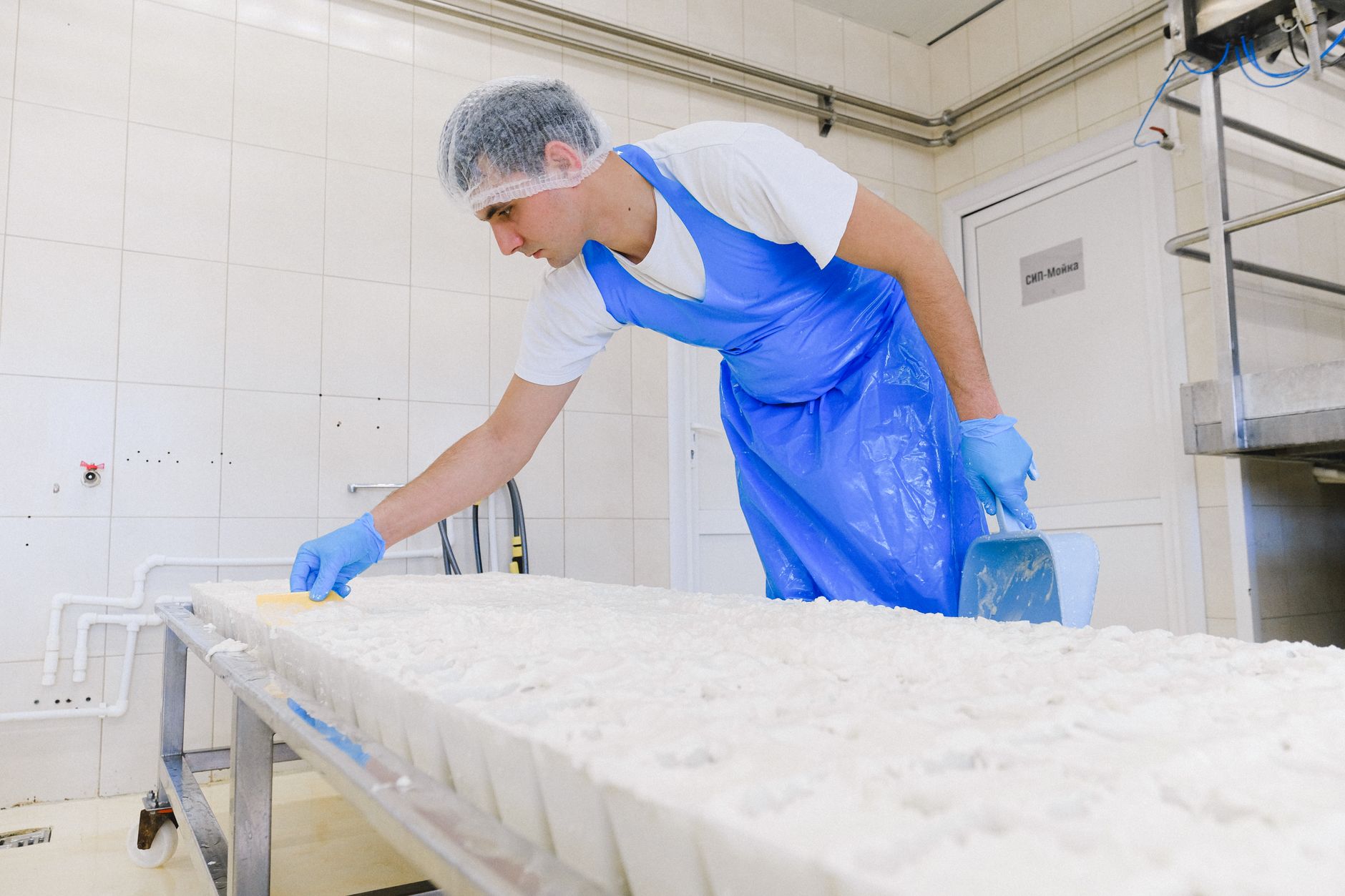
The headline result was simple and material. The palletizing cell freed up four operators over four shifts in the plant's 24-hour operation, moving labor out of hand stacking and into value-added work such as quality inspection.
The reach profile also changed what the cell could do mechanically. With 1,750 millimeters of reach and the ability to handle pallets stacked to 81 inches with 8 layers, the plant avoided the extra vertical axis often used in smaller palletizing cells and the cycle-time penalty that comes with waiting for that axis to travel.
Deployment time stayed short. The case study states that integrating the cobot arm into the palletizing system took only a day and a half, which matters in food manufacturing where line interruptions carry real operational consequences.
What This Means for Food Manufacturers Evaluating Service Robot Co.
This is the kind of end-of-line automation story that matters to food manufacturers because it is grounded in fit, not hype. The win came from matching the cell to a constrained production environment, training the plant team quickly, and making the labor payoff clear from day one.
For companies exploring palletizing robot rental, cobot rental for manufacturing, or a broader end of line automation program, the lesson is that robot selection and deployment discipline matter as much as the machine itself. Service Robot Co. operates as a vendor neutral robot integrator for U.S. businesses, selecting the right robot across manufacturers and then handling robot deployment and integration, training, financing, and service through one partner for the full lifecycle.
That model is especially relevant for plants that want phased deployment no shutdown, monthly payment programs, or robot leasing for business with no upfront capital. Instead of juggling separate vendors for lease rental or sale, go-live support, maintenance included coverage, commercial robot repair service, remote triage, and on-site dispatch, the buying team can work through one commercial partner with nationwide support.