a downtown commercial parking garage
Parking Garage Security Case Study: From 20 Incidents a Month to 1
A downtown commercial parking garage cut recurring trespassing, theft, and vandalism from 20 incidents a month to 1 in 12 months.
- 20/mo
- Incidents before patrol
- 1 in 12 mo
- Incidents after deployment
- 12 months
- Measured post period
- 3rd
- Parking garages as crime setting
Based on a documented real-world deployment. Figures are from public reporting; the organization is not named.
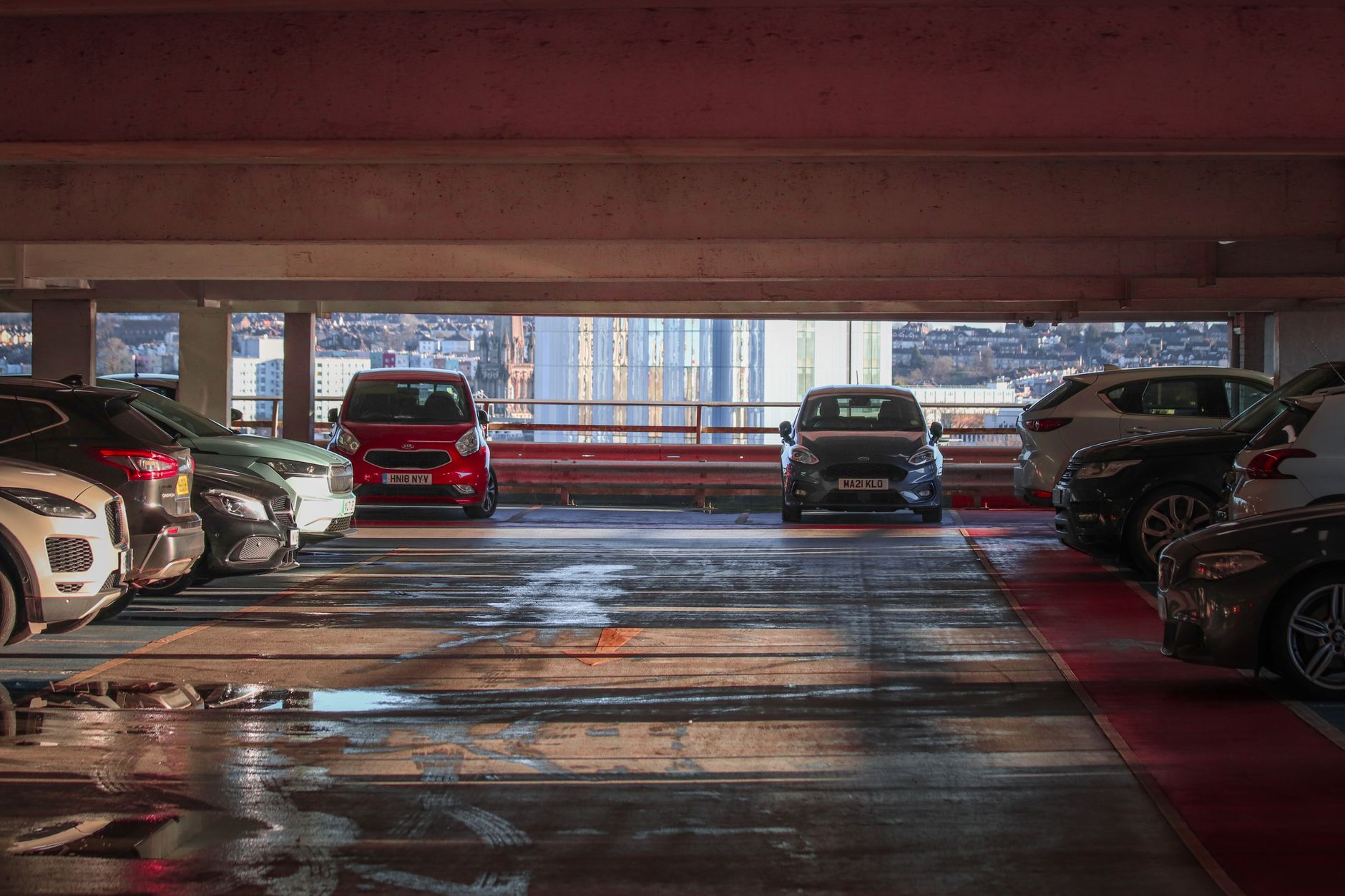
A hard site to cover consistently
A downtown commercial parking garage had a familiar commercial real estate problem. The site was open, repetitive to patrol, and easy to exploit in the gaps between human rounds. Trespassing, theft, and vandalism were not isolated events. They were part of the monthly operating pattern.
Parking structures are awkward security environments even when a property team is attentive. Sightlines break, levels stack, traffic changes by hour, and the area people worry about most is often outside the lobby and outside immediate staff view. In the underlying report, the garage was averaging 20 crimes per month before the robot deployment.
- Recurring trespassing
- Recurring theft
- Recurring vandalism
- A large parking environment that is difficult to secure consistently
Persistent patrol instead of intermittent presence
The documented result is simple: a security robot was deployed to patrol the garage. For a property like this, the point is not novelty. It is persistent coverage, visible presence, and a repeatable patrol pattern in an environment where missed rounds and uneven attention create room for incidents.
In practice, an autonomous patrol robot program works best when the operating details are set early. That means site assessment mapping, patrol schedule design, alert thresholds, operator training, and a service plan so the machine stays in circulation as part of the security program rather than as a side project.
- Assess the garage layout and patrol path
- Set patrol schedules and alert thresholds
- Train site operators on response workflow
- Keep the unit supported with maintenance included and service coverage
The incident curve broke
According to the published case example, the downtown commercial parking garage went from an average of 20 crimes per month to 1 crime in 12 months after deployment. The reported incident types included trespassing, vandalism, and theft.
That is why this example remains business-legible years later. The improvement is not a softer proxy like impressions or app opens. It is a stark change in recorded security incidents over a defined 12 month window.
What this means for commercial real estate operators
This example is not presented as a Service Robot Co. deployment. It is a documented real-world case that shows where a security patrol robot rental can make sense in commercial real estate: large, repetitive, hard-to-secure space where persistent patrol matters more than occasional visibility.
For owners and operators evaluating an autonomous patrol robot, the practical procurement question is usually less about a machine in isolation and more about who owns the whole job. Service Robot Co. is a vendor neutral robot integrator for U.S. businesses. We help clients compare lease rental or sale structures, handle robot deployment and integration, train the site team, and service every unit through a nationwide U.S. engineer network. One partner, one number, and one lifecycle owner.