a university-affiliated emergency hospital's COVID isolation ward
Hospital Delivery Robot Case Study: 79,575 Yen in Net Monthly Savings
In a COVID isolation ward, a delivery robot cut red-zone runs, PPE use, and nursing transport time, producing about 79,575 yen in monthly net savings.
- ¥79,575/mo
- Net monthly savings
- 69 hrs/mo
- Nursing time displaced
- 15 min/run
- Transport cycle time
- ¥150/run
- PPE cost per run
Based on a documented real-world deployment. Figures are from public reporting; the organization is not named.
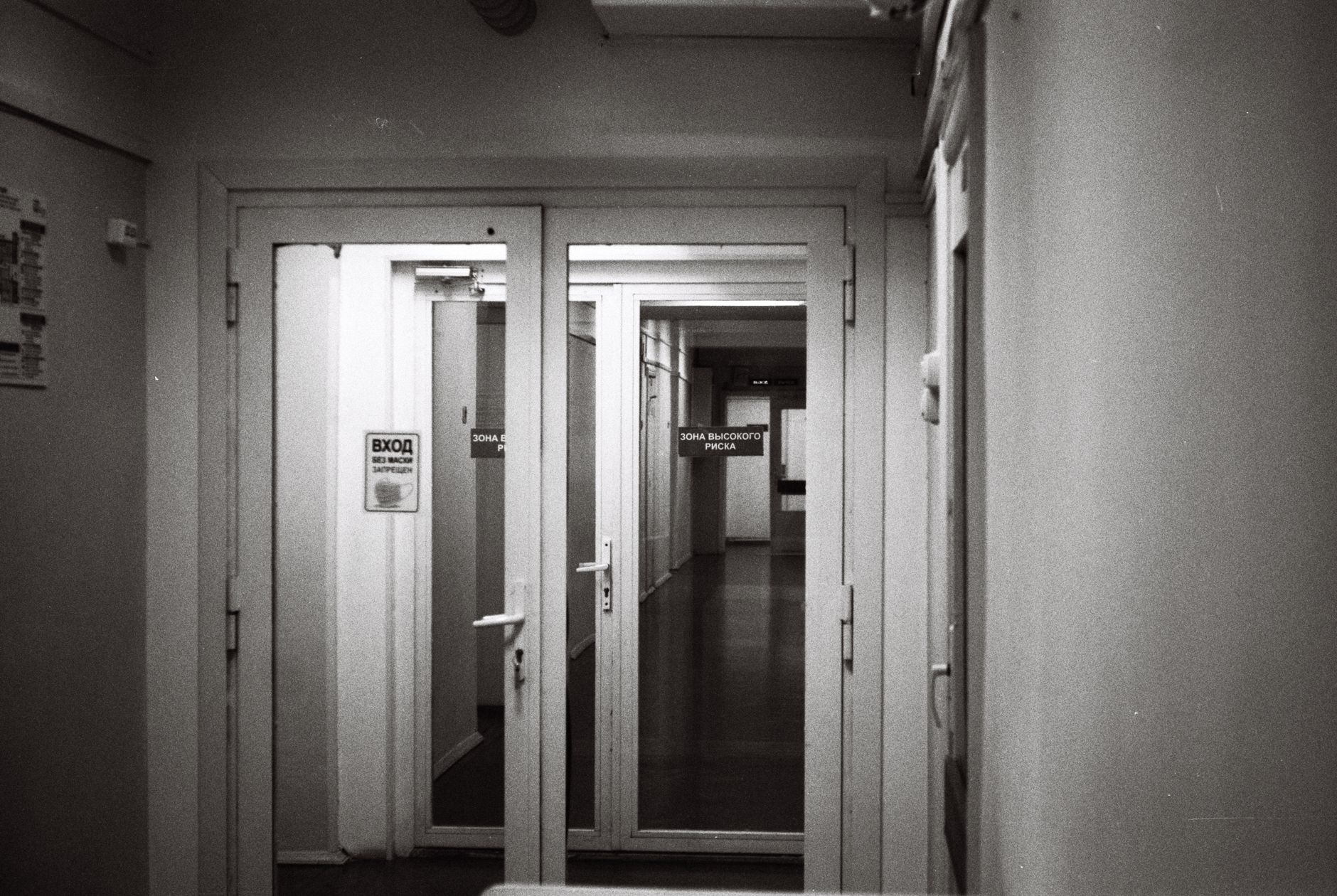
The transport burden inside the red zone
In the COVID isolation ward, even a simple supply handoff carried operational drag. Staff had to suit up, enter the red zone, complete the delivery, come back out, and remove protective gear correctly. That turned routine internal transport into a repeated exposure event.
The source describes each round trip as taking about 15 minutes once gowning and de-gowning were included. It also estimates about 150 yen in protective gear cost per transport. In a ward already under strain, repetitive transport automation mattered because every avoided run preserved both time and scarce supplies.
Night shift pressure made the problem sharper. The ward ran with a basic overnight nursing team of three, while severe cases still required frequent movement of equipment and other items at all hours.
- Each transport round trip took about 15 minutes including infection-control preparation and removal of PPE.
- Each run used about 150 yen worth of protective gear.
- Night shift staffing was three nurses, even while transport needs continued overnight.
A delivery robot was introduced for repetitive internal runs
The robot was put to work on the most repetitive, least clinical movement tasks inside the isolation workflow. Rather than pulling nurses into every supply run, the hospital used the machine for routine transport between zones so clinical staff could stay focused on patient care.
What stands out is not novelty but fit. This was a hospital delivery robot assigned to a narrow, high-friction task where repetitive transport automation produced immediate value: fewer red-zone entries, fewer PPE-consuming trips, and less nursing time tied up in errands.
The source also makes clear that acceptance depended on practical usefulness. The robot supported overnight work, carried both medical supplies and light items for patients, and became part of the ward rhythm during a prolonged six-month period spanning roughly December 2020 through May 2021.
- Target the internal transport tasks that repeatedly pull nurses into the red zone.
- Use the robot through day and night, with particular relief during overnight shifts.
- Fold the device into existing ward routines instead of redesigning the whole unit around it.
Measured labor and PPE savings, not just softer benefits
The case study quantifies the effect over about six months during the third and fourth COVID waves, roughly from December 2020 to May 2021. During that period, the hospital calculated that nurses would otherwise have spent about 69 hours per month on material transport, and the robot handled that work instead.
Using a nursing wage assumption of 2,000 yen per hour, the displaced transport time equaled about 138,000 yen per month. Protective gear consumption added another 248,250 yen over six months, or about 41,375 yen per month, based on the hospital's estimate of 150 yen per run.
Combined, the source puts monthly nursing labor and transport-related PPE cost at about 179,375 yen. Against a three-year contract price of 99,800 yen per month, the hospital calculated about 79,575 yen in monthly net savings. The staff also reported fewer risky red-zone entries and meaningful relief for an overextended night team.
What this means for Service Robot Co. buyers
This is exactly the kind of deployment that clarifies where hospital delivery robot rental earns its place. The value did not come from replacing clinical judgment. It came from taking repetitive internal transport off clinicians' plates, especially where infection-control steps make every simple errand expensive in both minutes and materials.
For U.S. operators, the broader lesson is procurement discipline. A hospital delivery robot rental works best when one partner handles robot selection, financing, deployment, integration, training, and service instead of leaving the facility to coordinate multiple vendors. That is the operating model Service Robot Co. brings as a full-service, OEM-neutral commercial robot integrator.
Service Robot Co. helps buyers assess which workflow actually fits automation, then supports the full lifecycle with monthly payment programs, lease rental or sale options, maintenance included, and a nationwide U.S. service network. One partner, one number, and a robot matched to the site instead of a brand pushed into the wrong job.