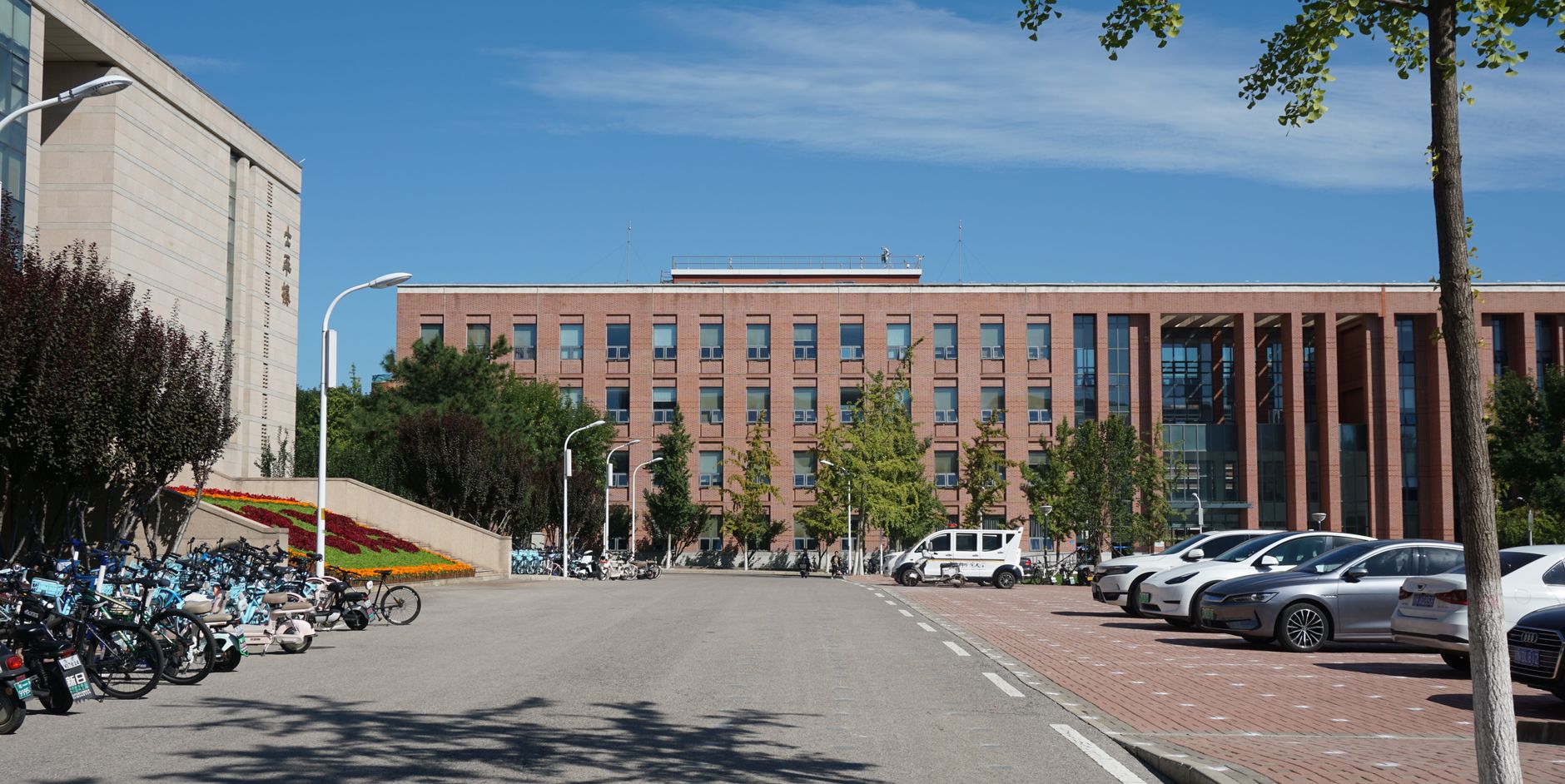
a large urban public park run by a midsize city police department
Public Park Security Case Study: Crime Reports Fell 46%
A public park run by a midsize city police department cut crime reports 46% after adding an autonomous patrol robot in a busy outdoor setting.
- 46%
- Fewer crime reports
- 10%
- Fewer calls for service
- 27%
- More arrests
- 68%
- Fewer citations
Based on a documented real-world deployment. Figures are from public reporting; the organization is not named.
A Busy Park With Persistent Safety Pressure
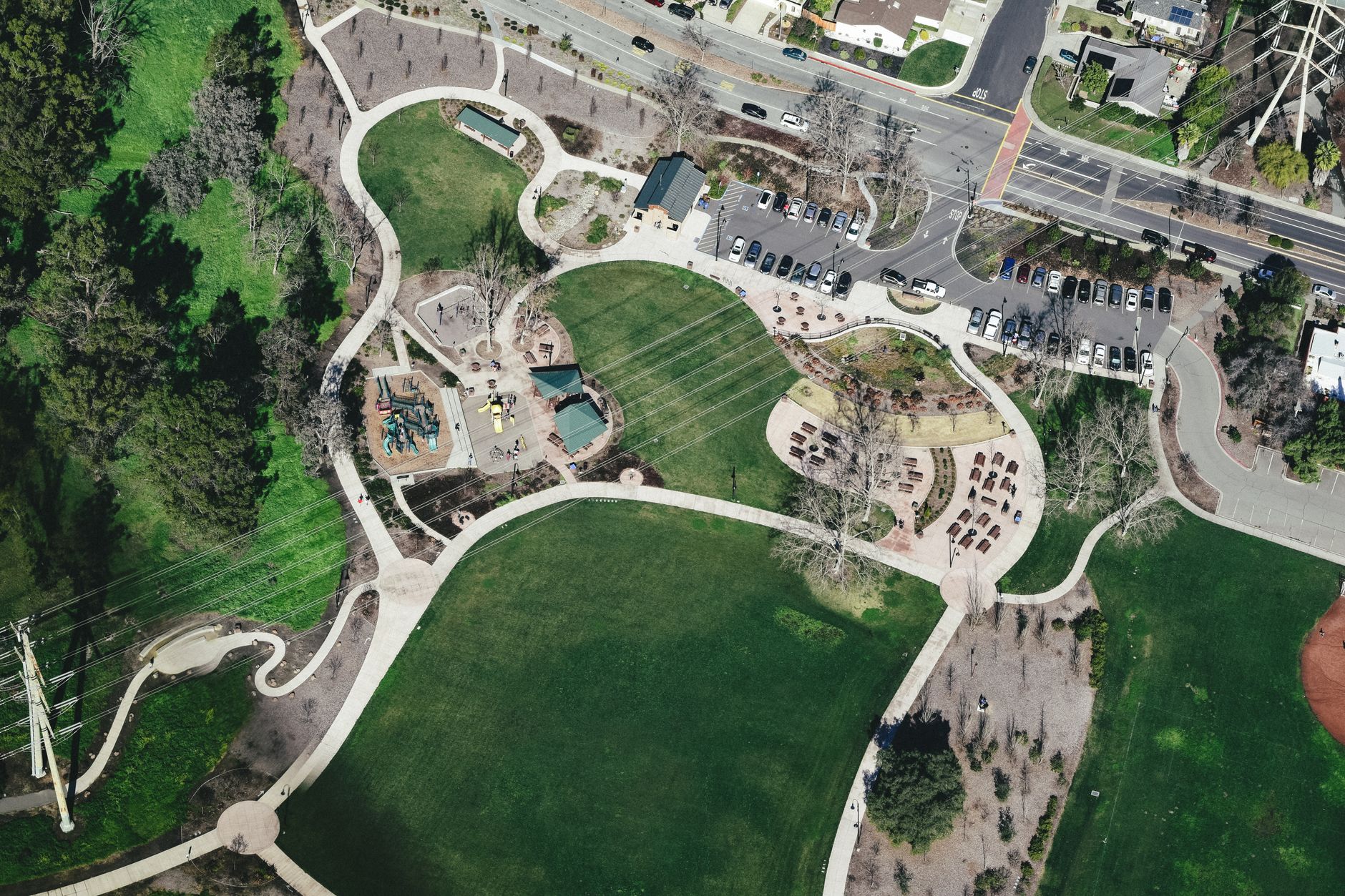
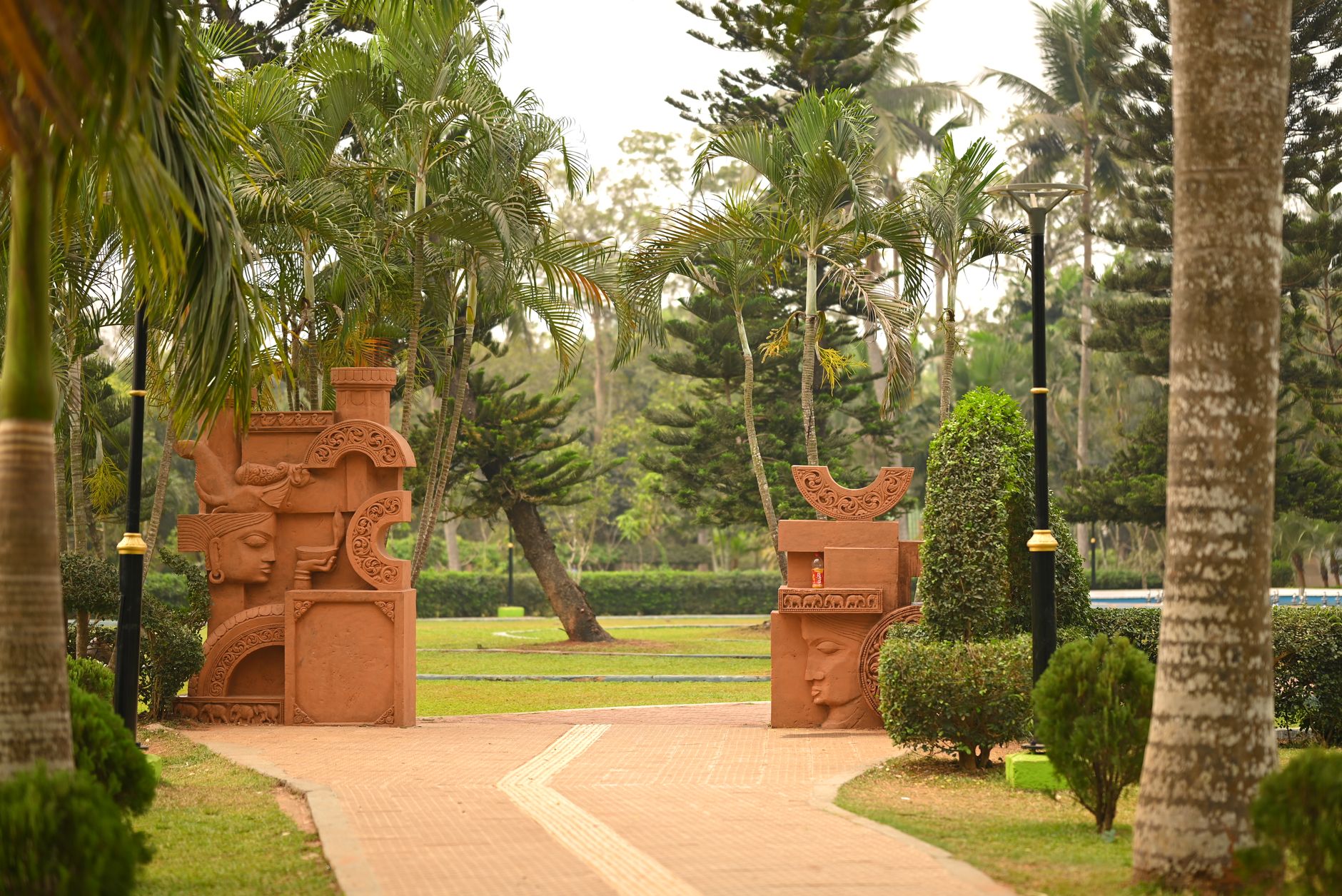
A large urban public park run by a midsize city police department was dealing with repeated public safety complaints in a setting that stayed active across recreation, youth programming, senior activities, sports facilities, picnic areas, and recurring public events. That mix created long sightlines, multiple access points, and a steady flow of visitors that is hard to cover well with fixed cameras or occasional drive-through patrols.
The police department needed a stronger visible presence without treating the park like a closed facility. The operating problem was familiar in public safety. Keep the space welcoming, improve deterrence, and give dispatch a better view of what is happening across an open outdoor environment.
- Open-access park environment with heavy daily foot traffic
- Ongoing community complaints tied to public safety
- Large footprint with varied amenities and activity zones
- Need for deterrence, visibility, and direct access to dispatch
Adding Visible Autonomous Patrol to Outdoor Coverage
The department introduced an autonomous patrol robot in the park and used it as a mobile public safety presence rather than a stand-alone gadget. The unit patrolled the site, supported remote monitoring with 360-degree video and audio, offered two-way communication, and gave visitors an assist button to reach dispatch during an emergency.
Just as important, the robot was folded into the day-to-day policing model already in place. It broadcast messages in English and Spanish during park open hours, extended the department's visibility across the grounds, and became part of a broader operating rhythm built around deterrence, observation, and faster awareness.
- Deploy a mobile patrol unit in the park
- Use remote monitoring for live situational awareness
- Give the public a direct dispatch touchpoint through the robot
- Blend patrol visibility with normal police operations and park activity
Measured Change Across the Comparison Period
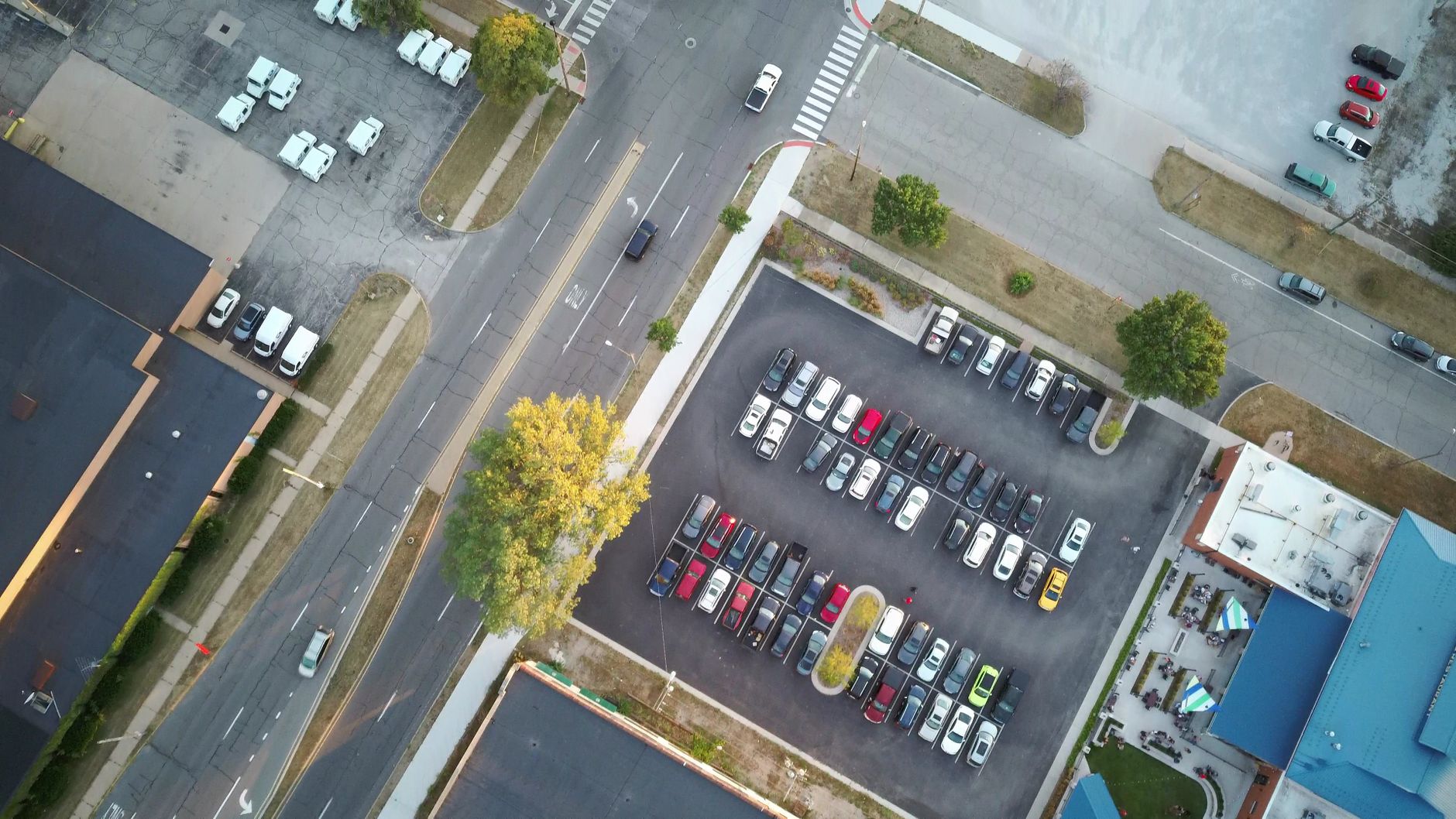
The department compared two like periods. From June through December 2018, before deployment, it recorded 277 police activity entries at the park, including 48 crime or incident reports, 11 arrests, and 120 citations. From June through December 2019, with the robot deployed and operating at full capacity, total police activity fell to 249 entries, including 26 crime or incident reports, 14 arrests, and 38 citations.
Those before-and-after figures point to a meaningful shift in outdoor security performance. Calls for service declined 10%, crime reports fell 46%, arrests increased 27%, and citations dropped 68%. For parking areas, open-access campuses, and other hard-to-cover sites, that mix matters. Lower reported crime and fewer nuisance events, paired with stronger enforcement activity, suggest that visible autonomous patrol can change behavior on the ground.
Why This Matters for Service Robot Co.
This example is not presented as a Service Robot Co. deployment. It is a documented public safety case that shows where autonomous patrol robot programs make sense. Outdoor environments with diffuse foot traffic, multiple entry points, and inconsistent natural surveillance often need more than static hardware. They need coverage that can move, be seen, and tie directly into operating workflows.
That is the lane Service Robot Co. is built for as a vendor neutral robot integrator. For U.S. operators evaluating security patrol robot rental, robot as a service, or robot leasing for business, the practical challenge is rarely just picking hardware. It is selection, robot deployment and integration, training, service, and one partner one number over the life of the unit. Service Robot Co. handles that full stack across financing, rollout, and support so buyers are not left stitching together the program themselves.