a 286,000-square-foot nutraceutical warehouse
How Autonomous Cleaning Reallocated 3 Hours a Day in Warehousing
A 286,000-square-foot nutraceutical warehouse moved from manual scrubbing to autonomous cleaning and reallocated 3 labor hours per day.
- 286,000 sf
- Facility cleaned
- 3 hrs/day
- Labor reallocated
- 1.5 years
- Expected payback
Based on a documented real-world deployment. Figures are from public reporting; the organization is not named.
A Bigger Floor Than a Manual Routine Could Comfortably Carry
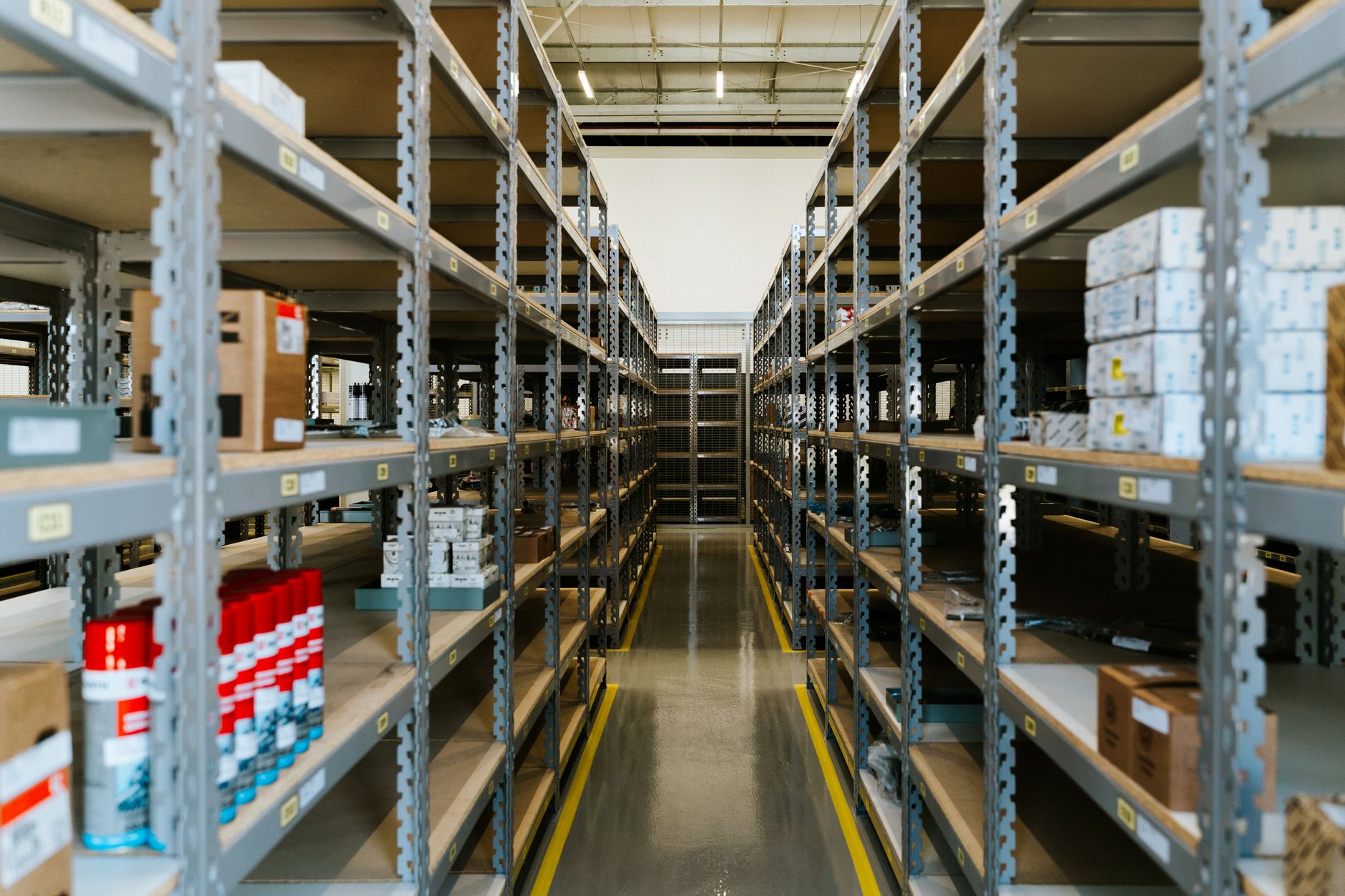
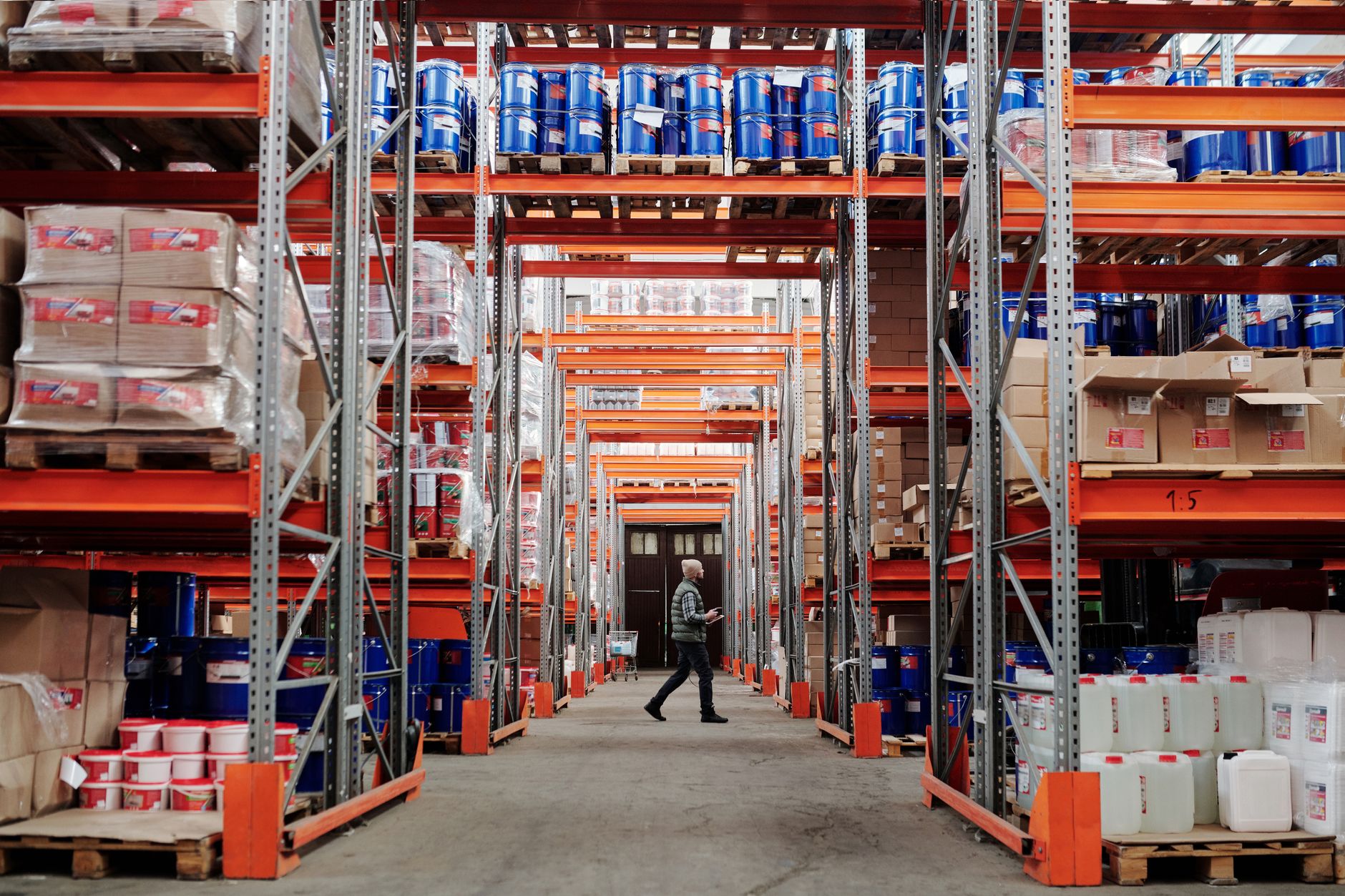
This operation had a lot of floor to keep sanitary. The published customer spotlight says a 286,000-square-foot nutraceutical warehouse had been cleaning the site with a manual scrubber before switching to autonomous cleaning.
That matters in a warehouse setting, where sanitation is not just about appearance. It affects traffic lanes, audit readiness, and the daily rhythm of the building. When a large facility depends on a manual pass, coverage and operator time stay tightly linked.
- Manual scrubber process across 286,000 square feet
- Sanitation work depended on an operator being on the machine
- Cleaning time competed with other labor needs in the building
From Manual Scrubbing to an Autonomous Cleaning Routine
The source example describes a straightforward before and after. A manual scrubber gave way to an autonomous cleaning deployment that could clean the facility by itself after a few buttons were pressed.
For warehouse operators considering a floor scrubber for warehouses, that is usually the practical path. Start with the cleaning route, prove reliable coverage, train the team on simple handoff and recovery, and support the unit with ongoing service so the night shift autonomous scrubber becomes part of the building routine rather than a novelty.
- Evaluate the floor, traffic, and sanitation zones
- Introduce the autonomous cleaning unit on live warehouse routes
- Train operators on startup, oversight, and exception handling
- Keep service and support tied to the deployment so uptime stays predictable
Measured Gains the Team Could Actually Feel
The documented result is crisp. The warehouse reallocated 3 hours of human labor per day after moving autonomous cleaning into the workflow.
The same source says the 286,000-square-foot facility, once cleaned with a manual scrubber, is now cleaned autonomously. It also attributes an expected payback window of within a year and a half. That gives the story real operational weight. Better sanitation coverage is one side of the equation, and recovered operator time is the other.
For buyers evaluating a warehouse cleaning robot rental, commercial cleaning robot rental, or robot leasing for business, this is the kind of outcome that earns attention. The win is not abstract automation. It is a cleaner floor with less human time tied to repetitive scrubbing.
What This Means for Service Robot Co.
This example is not presented as a Service Robot Co. deployment. It is a documented warehouse case that shows why cleaning automation has become a serious line item for operators managing large facility coverage and recurring floor care.
Service Robot Co. fits in at the point where most projects get messy. As a vendor neutral robot integrator, we help US operators choose the robot that fits the floor, then handle finance, deployment, integration, training, and service through one partner for the whole lifecycle.
That structure matters if you are comparing lease rental or sale, commercial robot rental, robot rental monthly, or a floor scrubber monthly lease. A full-service model keeps selection, rollout, maintenance included support, and on-site dispatch under one roof instead of scattering accountability across separate vendors.