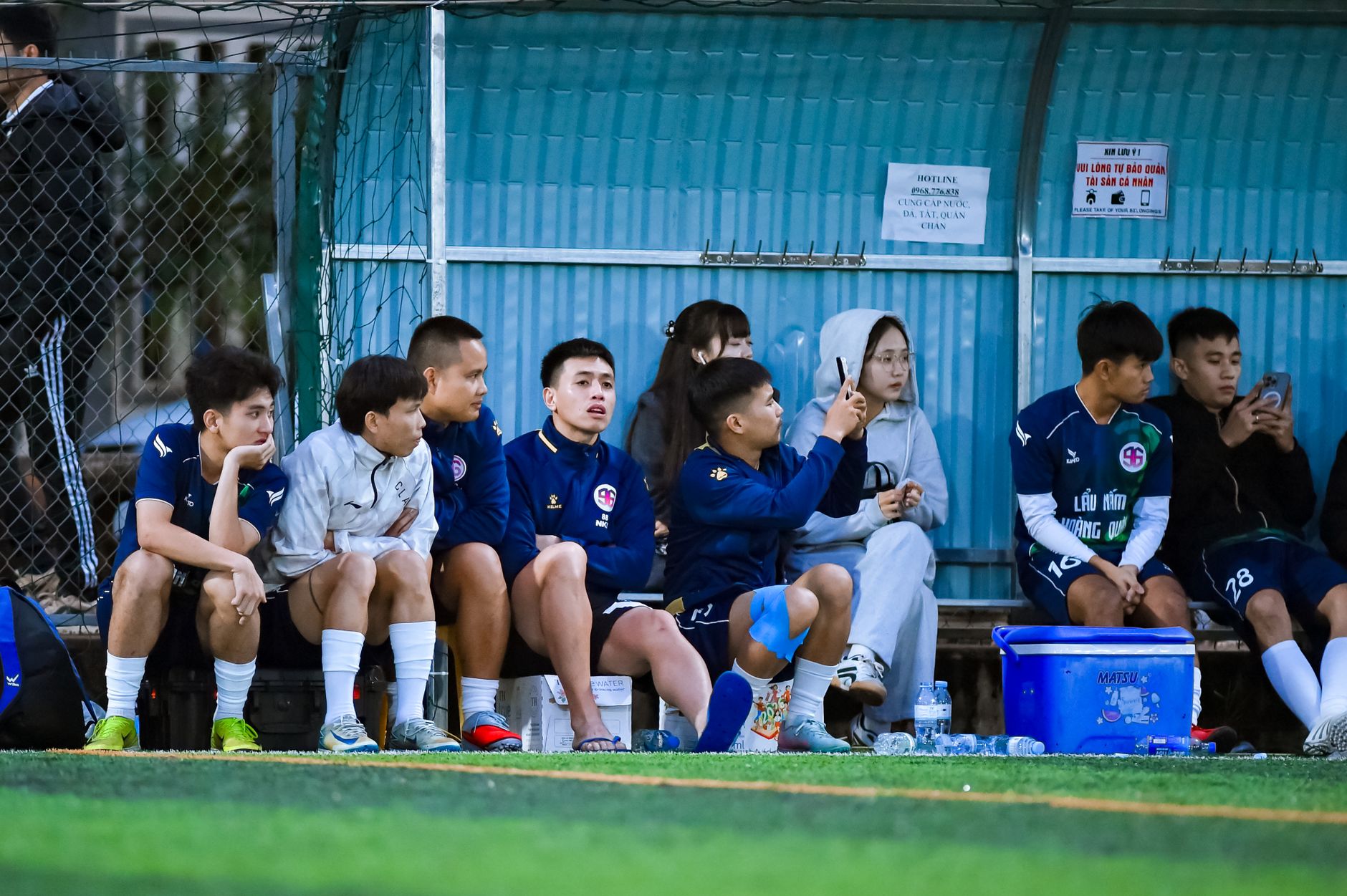
a 24-field tournament sports complex in the Mid-Atlantic
Autonomous Line Marking Reclaims 1,557 Hours a Year
See how autonomous line-marking robots helped a 24-field tournament sports complex in the Mid-Atlantic cut annual labor from 2,040 hours to 483.
- 1,557 hrs
- annual painting and layout hours saved
- 483 hrs
- annual painting and layout hours after rollout
- $35K-$40K
- estimated labor value per season
- 5 to 2
- people assigned to painting
Based on a documented real-world deployment. Figures are from public reporting; the organization is not named.
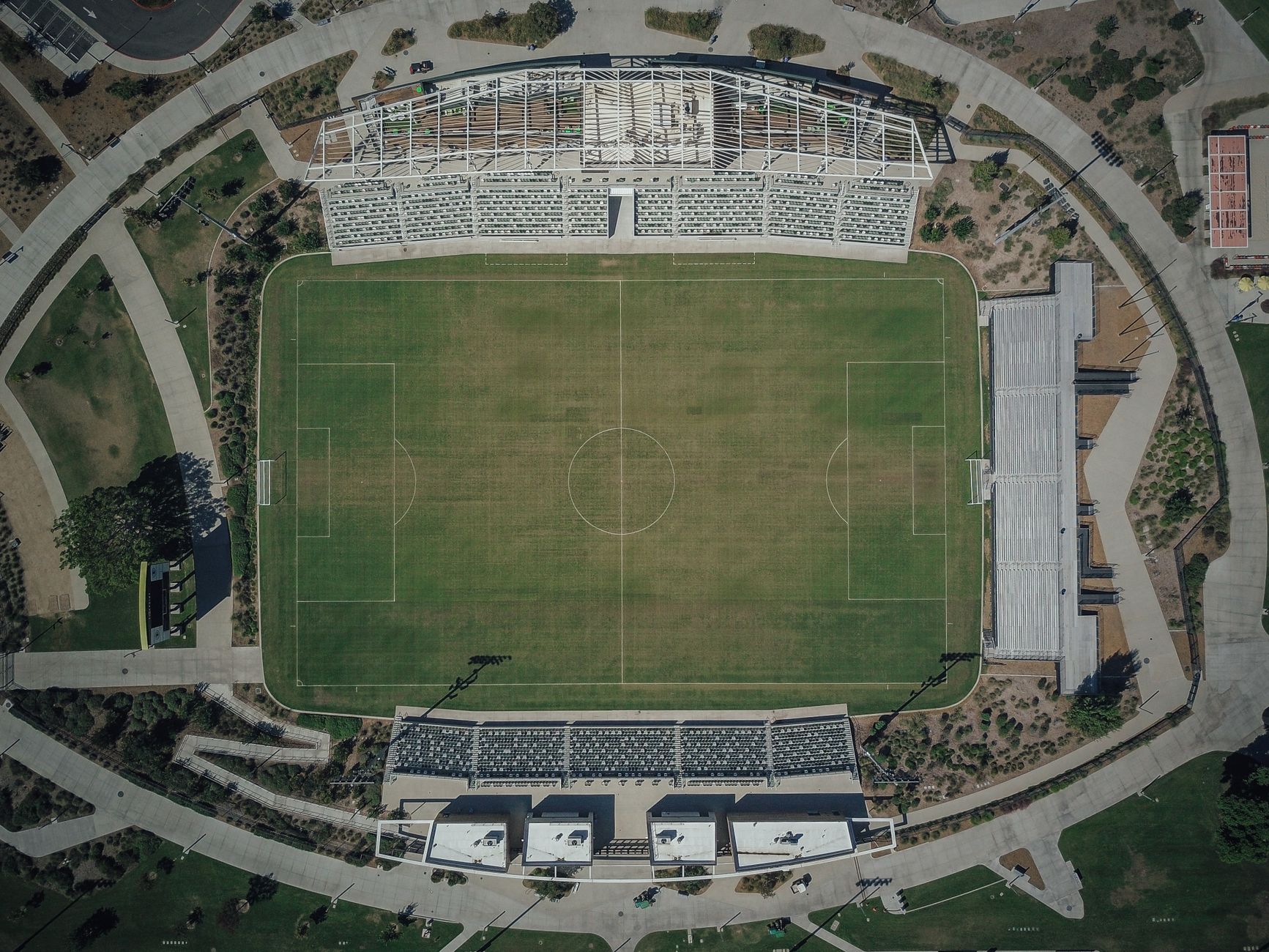
Tournament turnarounds outpaced the paint crew
At a 24-field tournament sports complex in the Mid-Atlantic, professional presentation had to survive a relentless events calendar. Several tournaments ran back to back, and each reset carried the same exacting work: pull strings, measure, resize, lay out, and repaint.
Manual painting absorbed 1,800 labor hours across 30 weeks. Field resizing every 2 weeks added 240 hours across 15 weeks, bringing annual painting and layout labor to 2,040 hours.
That burden landed while turf staff were also responsible for the finer work that protects playing quality. The constraint was not simply paint. It was scarce preparation time tied up in a repeatable geometry task.
- Five people were assigned to weekly string-based painting.
- Manual painting consumed 60 labor hours a week.
- Each field-resizing cycle required 16 labor hours.
- Straight lines were not assured when set by hand.
A measured rollout replaced strings with autonomy

The facility explored autonomous marking after traditional methods became difficult to sustain at the required standard. Management examined cost, labor, and paint implications before approving the change, treating the machine as an operating investment rather than a novelty.
The rollout was phased. One autonomous marker came first. When its coverage proved insufficient for the full maintenance area, the facility added a second, then paired two crew members with the two machines.
The published account shows staff building familiarity with GPS, pumps, and base stations, but it does not document a formal training curriculum or maintenance agreement. Those remain essential diligence for any buyer because adoption extends well beyond the first painted line.
- Document manual painting and resizing labor before selection.
- Begin with one machine and observe coverage under real event demands.
- Add capacity only after the operating requirement is clear.
- Set ownership for operator instruction, service, and uptime before go-live.
The labor ledger changed decisively
Annual painting and layout labor fell from 2,040 hours to 483 hours. The verified difference is 1,557 hours returned in a year, with painting accounting for 480 hours after automation and resizing just 3 hours.
The painting crew moved from five people to two people working with two robots. This was a substantial change in staffing demand for a repetitive weekly task, while retaining crew involvement around the machines.
In a broader estimate, the operation valued more than 1,600 reclaimed preparation hours at roughly $35,000 to $40,000 in labor for a season. It described that capacity as reallocated, not simply removed, giving the grounds team more time for detailed preparation and turf condition.
Automation also made field shifting easier, helping the crew manage wear across the grass. Staff reported straighter, more consistent markings, although the source does not provide an independently measured quality rate.
From a documented result to a defensible deployment
This documented example was not a Service Robot Co. deployment. It shows the operating case that should be proven during a site assessment: baseline the manual workload, match robot count to acreage and event cadence, and define where recovered labor will go.
Service Robot Co. is a full-service, OEM-neutral commercial robot integrator for US businesses. We select across manufacturers, finance the program, handle robot deployment and integration, train operators, and support every unit through a nationwide US engineer network. A single vendor is accountable for the whole lifecycle.
Buyers can compare purchase, robot leasing for business, and robot as a service instead of forcing one capital structure. The same accountable partner can carry site assessment mapping, go live support, and the robot maintenance service plan, while the verified 2,040-hour baseline remains the test any proposal must beat.